Firebox Repair in Phoenix, AZ
The cheapest thing we do that saves homeowners the most money over time is a simple annual tune-up — a one-hour visit catches six things that would otherwise be emergency calls in three years.
The back wall of the firebox has a crack running straight through it — or the firebrick is spalling so badly you're looking at open mortar gaps where there used to be solid brick. Maybe you noticed it last season and told yourself it could wait. Now it's October, the nights are finally cool enough to actually use the thing, and you're not sure if lighting a fire in there is even safe anymore.
That hesitation is the right instinct. A deteriorating firebox isn't just an aesthetic issue — it's the one barrier between a controlled fire and the framing inside your walls. Heat and combustion gases need to stay exactly where they belong, and when the firebrick or firebox liner starts to break down, that containment is compromised.
Arizona Chimney Pros handles firebox repair in Phoenix every week. We work on everything from hairline cracks in the firebox panels to full firebrick replacement in older homes with decades of heat cycling behind them. We'll tell you exactly what we're looking at, what it takes to fix it safely, and what it's going to cost — before we touch anything.
Start With a $99 Fireplace & Chimney Inspection
We perform the accessible visual evaluation relevant to your requested chimney or fireplace service, explain any visible concerns, and give you written pricing for any recommended work.
Chimney Repair in Phoenix
Fireboxes in the Phoenix area take a specific kind of punishment that's different from what you'd see in cooler climates — and it's not because homeowners here use their fireplaces more. It's actually the opposite. Long stretches of total non-use, combined with extreme ambient heat and intense UV exposure, create a thermal cycling pattern that slowly destroys mortar joints and firebrick over time. A fireplace that sits dormant from April through September in 110-degree heat and then gets fired up repeatedly in late fall is essentially going through a controlled stress test twice a year, every year.
Original firebrick in homes built before the 1990s was not formulated for this kind of cycle. We consistently see accelerated spalling and deep mortar erosion in older Phoenix neighborhoods — particularly in homes that haven't had any chimney maintenance in the past decade. The clay-based mortars used in those original builds simply weren't designed to flex the way Arizona's temperature swings demand.
Monsoon season adds another layer. The 2024 season was a good example — driving rain combined with weeks of intense heat before and after caused a spike in calls across the Phoenix metro. Water infiltrates micro-cracks in the firebox, expands slightly when temperatures drop, and widens those cracks with every cycle. By the time a homeowner notices visible damage, the deterioration has often been progressing quietly for two or three seasons. We see this pattern repeatedly in homes across central Phoenix, in Arcadia, and in older neighborhoods near Tempe and Mesa — anywhere the original masonry was never upgraded.
Signs Your Chimney Repair Needs Attention
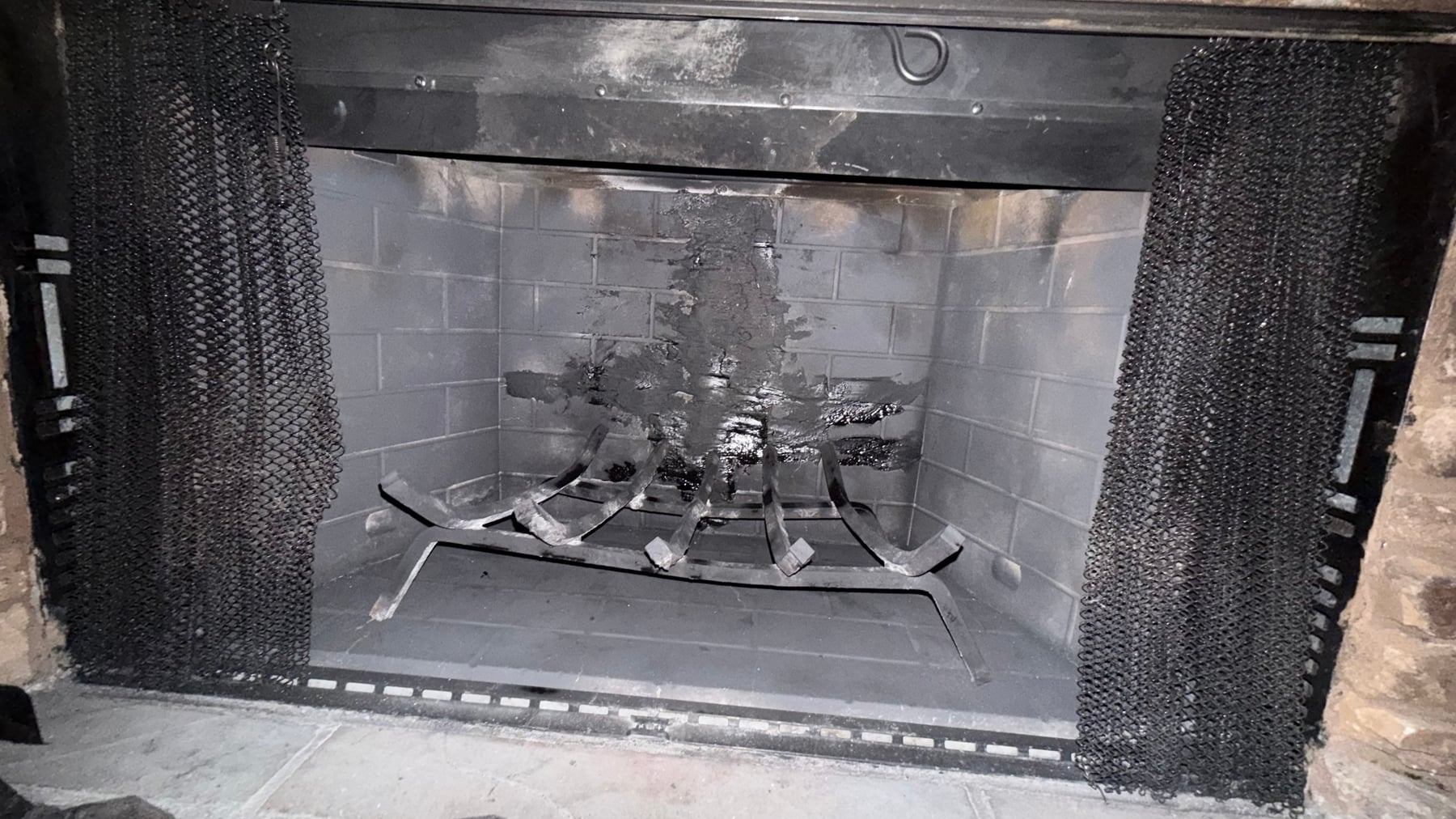
Most firebox damage doesn't announce itself dramatically. It builds slowly until something catches your eye — or until you finally decide to look closely before the first fire of the season. Here's what to watch for:
- Visible cracks in the back or side walls of the firebox — even hairline fractures deserve a closer look, especially if they've grown since last year
- Firebrick that's crumbling, flaking, or has chunks missing — spalling brick is a sign the material has broken down and can no longer handle direct heat safely
- Mortar joints that are recessed, crumbly, or missing entirely — the mortar between bricks is often the first thing to go, and gaps there allow heat to migrate behind the firebox wall
- Dark staining or smoke marks outside the firebox opening — if smoke is finding a path out through cracks rather than up the flue, the firebox is no longer containing combustion properly
- A white powdery residue (efflorescence) on the firebox interior — this means moisture has been moving through the masonry, which accelerates deterioration from the inside out
- Loose or shifted firebrick panels — prefabricated fireplaces often use cast refractory panels rather than traditional brick, and these can crack or separate along the seams
- A burning smell during or after use that seems stronger than normal — can indicate combustion gases escaping through damaged areas rather than venting cleanly
- Cold drafts near the fireplace when it's not in use — a sign the firebox structure may have gaps that are communicating with exterior air
If two or more of these match what you're seeing, schedule an inspection before you light another fire. The cost of a look is nothing compared to the cost of a structural repair — or worse, a fire that travels somewhere it shouldn't.
Common Chimney Repair Problems We Repair
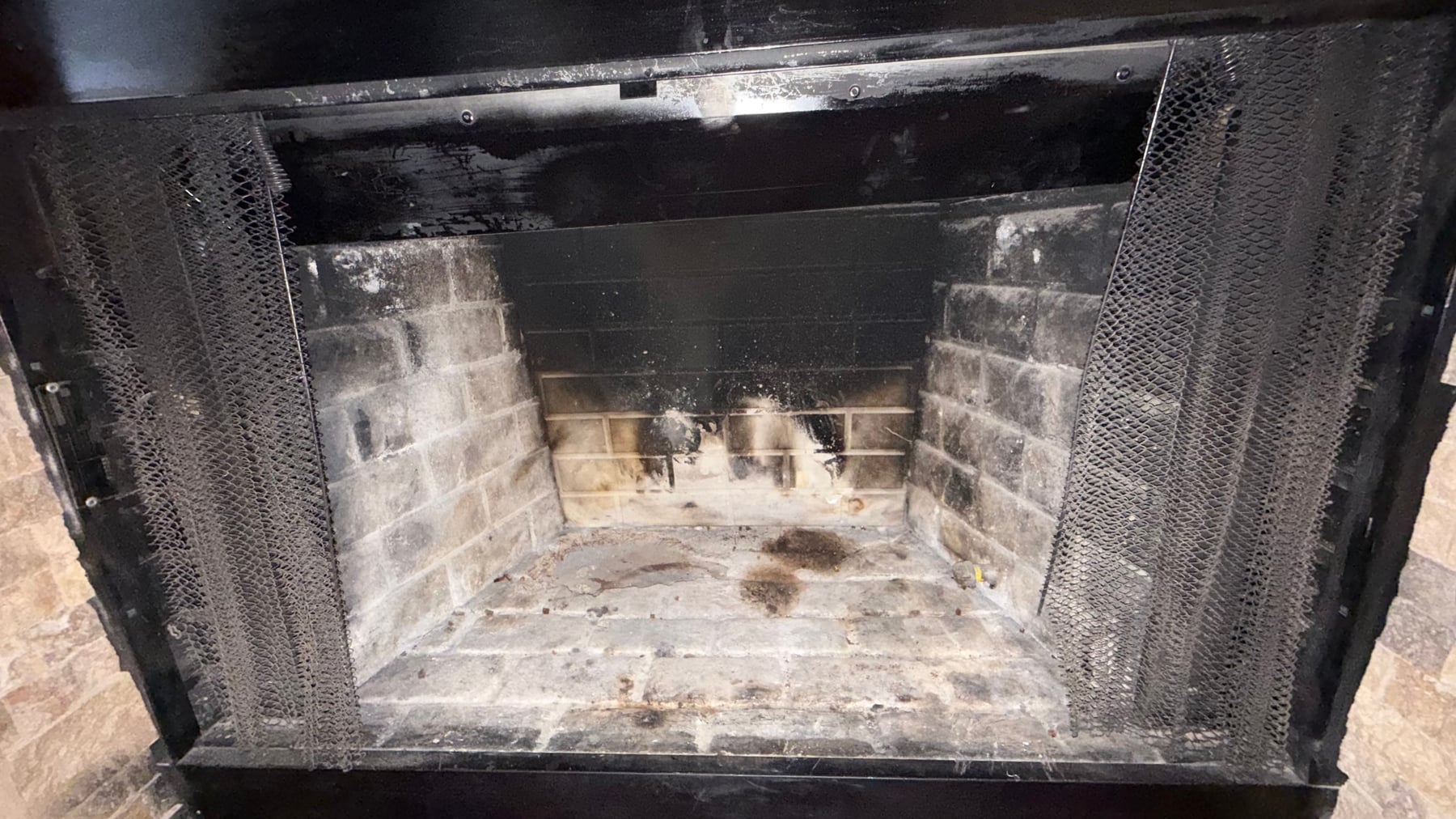
Firebox damage in Phoenix homes shows up in a lot of different ways depending on the age of the fireplace, the construction type, and how much deferred maintenance has accumulated. Below is a straightforward list of the specific issues we diagnose and repair on a regular basis:
- Cracked firebrick panels — refractory panel replacement in prefab units, or individual brick repair in masonry fireplaces
- Deteriorated mortar joints between firebrick — tuckpointing with high-temperature refractory mortar rated for direct flame contact
- Full firebrick replacement — when individual bricks have spalled or fractured beyond repair, full course replacement is often the right call
- Firebox back wall reconstruction — severe cases where heat damage has compromised the structural integrity of the rear wall
- Cracked or damaged firebox floor — the hearth floor inside the firebox takes direct log and ember contact; deterioration here is common in heavily used fireplaces
- Smoke chamber deterioration above the firebox throat — often missed in basic inspections, but critical to how the fireplace drafts
- Spalled or collapsed corbeling inside the smoke shelf area — mortar loss in this zone allows smoke and heat to bypass the intended flue path
- Damaged lintel or throat damper area — cracks or separation around the damper housing affect both draft performance and structural containment
- Water damage and efflorescence repair — removing mineral deposits and addressing the moisture infiltration pathway causing them
- Prefabricated firebox panel replacement — matching and installing OEM or compatible refractory panels for factory-built fireplace systems
Chimney Repair Costs in Phoenix
Firebox repair in Phoenix typically runs between $250 and $1,800, depending on how much of the firebox is involved and what materials are needed. A simple mortar tuckpointing job on a small crack is on the low end. Full firebrick replacement or rear wall reconstruction on an older masonry fireplace is on the high end. Most repairs fall somewhere in the middle.
| Repair / Service | Typical Cost |
|---|---|
| Refractory mortar tuckpointing (partial) | $250 – $450 |
| Single refractory panel replacement (prefab unit) | $350 – $600 |
| Multiple panel replacement (prefab unit) | $550 – $950 |
| Firebrick replacement (partial — 10 to 20 bricks) | $600 – $1,100 |
| Full firebox back wall rebuild (masonry) | $1,100 – $1,800 |
What moves the price up or down: access is a factor — some fireplaces have design features that make working inside the firebox slower and more labor-intensive. Parts availability matters too, especially for older prefab units where refractory panels may need to be special-ordered. If the damage has extended into the smoke chamber or the firebox floor is also compromised, that adds scope. After-hours or expedited scheduling may carry an additional fee. We'll identify all of this upfront so there are no surprises on the invoice.
We charge a $99 diagnostic fee for repair calls, which applies directly toward the cost of the repair if you move forward with us. You're paying for an expert assessment — not a sales pitch.
How We Work
We don't show up, poke around, and hand you a vague quote. Here's exactly what happens from the moment we arrive at your home:
- Homeowner walkthrough — We start by listening. You show us what you've seen, where the damage is visible, and how long it's been this way. Context matters, and a two-minute conversation often saves an hour of troubleshooting.
- Full firebox visual inspection — We inspect the firebox floor, side walls, back wall, lintel area, and the throat opening above the damper. We're looking at mortar integrity, brick condition, panel seam separation, and any signs of water infiltration or heat bypass.
- Structural and thermal damage assessment — Using a bright light and inspection mirror, we evaluate how deep any cracking goes, whether the damage is surface-level or structural, and whether the smoke shelf and chamber above have been affected by the same deterioration.
- Written diagnosis and estimate — Before any work starts, we walk you through what we found in plain language and hand you a written estimate. You know the scope, the materials, the timeline, and the total cost before you make any decision.
- Repair execution — Depending on the scope, this includes mortar removal and repointing, brick extraction and replacement, or panel swap-out. We use refractory-rated materials throughout — not standard masonry products that will fail under direct heat exposure.
- Cure verification and final inspection — We inspect the completed repair, confirm all joints and surfaces are properly set, and walk you through what was done. For mortar-based repairs, we provide specific guidance on initial cure time before you light the first fire.
Arizona Chimney Pros
Arizona Chimney Pros knows which neighborhoods have the oldest original firebrick, which prefab fireplace brands were most commonly installed in the late 1980s and 1990s tract home boom, and where deferred maintenance tends to accumulate. We've repaired fireplaces in gated Scottsdale communities, in historic homes near central Phoenix, in newer Mesa subdivisions, and in Tempe rentals that haven't seen a chimney technician in fifteen years. The problems vary. The standard of repair doesn't.
The assessment you get from us isn't a casual look — it's a structured evaluation against a documented safety checklist. Firebox integrity is a code compliance issue in Arizona, not just an aesthetic one, and we treat it that way.
For Phoenix homeowners who need to move quickly, we maintain capacity for priority scheduling throughout the fall and winter season. Most calls in the metro area can be reached within one to two business days, and we'll always tell you honestly if the fireplace is unsafe to use in the meantime.
Brands We Service
We service most major fireplace and chimney brands across Phoenix — OEM parts stocked for the most common issues, and we can source almost anything we don't have on the truck. Below are the brands we see most often:
- Napoleon
- Regency
- Valor
- Majestic
- Heat & Glo
- Heatilator
- Mendota
- Lopi
- Pacific Energy
- Dimplex
- Jotul
- Vermont Castings
Our Guarantee
Every firebox repair we complete carries a one-year labor warranty. If something we repaired fails or shows a defect in workmanship within that window, we come back and make it right — no diagnostic fee, no argument.
Refractory panels and materials we install carry the manufacturer's warranty, which typically runs one to five years depending on the product. We document what was installed so you have that coverage on record.
Beyond the formal warranty: if something feels off within 30 days of a repair — a new crack appearing nearby, a draft issue that wasn't there before — call us. We'd rather take a second look than have you sitting on a concern. We're not going anywhere, and we stand behind the work we put our name on.
Frequently Asked Questions
This is the right question to ask, and the honest answer is: it depends on where the damage is and how deep it goes. Surface discoloration and minor efflorescence are generally cosmetic. But cracks in the firebrick or mortar joints — especially in the back wall or side walls — can allow combustion heat and gases to reach the framing behind the firebox. In Phoenix homes with original firebrick from the 1980s or earlier, what looks like a surface crack is often the visible tip of deeper mortar failure. If you can see daylight, feel a draft, or the crack has grown since last season, treat it as a safety concern until a technician tells you otherwise. Don't light fires in a firebox you haven't had inspected if the damage is more than superficial.
Most firebox repairs in the Phoenix area run between $250 and $1,800. A targeted mortar tuckpointing job on limited cracking is usually in the $250 to $450 range. Replacing one or two refractory panels in a prefab fireplace typically runs $350 to $600. More involved jobs — like partial or full firebrick replacement on a masonry firebox — can reach $900 to $1,800 depending on how many courses are affected. The final number depends on the extent of damage, the materials required, and the access conditions inside the firebox. We charge a $99 diagnostic fee on repair calls, which applies toward the job if you proceed. You'll have a written estimate before any work begins.
We'd recommend against it if you've already noticed visible cracks, spalling brick, or missing mortar in the firebox walls. The firebox is designed to contain combustion heat and direct it safely up the flue — when that structure is compromised, heat can transfer to surrounding materials in ways that aren't immediately visible. If the damage is minor and you're not sure, call us before your appointment and describe what you're seeing. We can usually give you a reasonable safety judgment over the phone. If you're in any doubt, hold off on lighting fires until we've had a look. It's not worth the risk for a few weeks of waiting.
Most single-visit firebox repairs take between two and four hours, depending on scope. A mortar tuckpointing job on a limited area is on the shorter end. Full firebrick replacement or panel swaps on larger fireplaces take longer, sometimes requiring a return visit if custom-ordered materials need to arrive first. Mortar-based repairs require a cure period before the fireplace is ready to use — typically 24 to 48 hours minimum, and we'll give you the specific guidance for whatever product we used. We'll always give you a realistic timeline estimate at the diagnostic stage so you can plan accordingly.
Yes — we work throughout the Phoenix metro, including Scottsdale, Mesa, and Tempe on a regular basis. Scottsdale calls often involve higher-end prefab units in gated communities or custom masonry fireplaces in luxury builds. Mesa and Tempe tend to bring more original-construction repairs in older tract homes and rentals. The zip code doesn't change the quality of the work or the pricing structure. We travel across the Valley without trip charges for standard service areas. If you're outside the immediate metro and not sure whether we cover your area, call us and we'll confirm — we'd rather tell you upfront than waste your time.
No. Arizona Chimney Pros charges $99 for the professional on-site fireplace inspection. The fee covers the visit, the evaluation, an explanation of what we find, and written pricing for any recommended work.
The professional visit, the evaluation of the fireplace or remodeling area, an explanation of relevant findings, and written pricing for recommended options. Any repair, installation, or remodeling work is quoted separately and only happens if you approve it.
Nothing further. You keep the findings and the written pricing, and you are not required to approve additional work.
Serving Phoenix & Surrounding Areas
Arizona Chimney Pros serves Phoenix and surrounding Phoenix metro communities. Our technicians are on the road daily with same-day and next-day availability across:
- Scottsdale
- Mesa
- Tempe
- Gilbert
- Chandler
- Glendale
- Peoria
Don't see your neighborhood? Call us — our service radius covers about 40 miles of the Valley.
More Services in Phoenix
- Chimney Inspection Phoenix
- Fireplace Remodeling Phoenix
- Gas Log Replacement Phoenix
- Gas Fireplace Repair Phoenix
- Fireplace Glass Fogged Phoenix
- Chimney Cap Blown Off Phoenix
- Gas Fireplace Turns Off After Minutes Phoenix
- Chimney Leak Repair Phoenix
- Chimney Repair Scottsdale
- Chimney Repair Tempe
- When To Replace Chimney Liner Arizona
- Chimney Repair Peoria
Explore More Topics
Helpful guides and related services for Phoenix-area homeowners.